Indoor Team
Unihockey (Floorball)
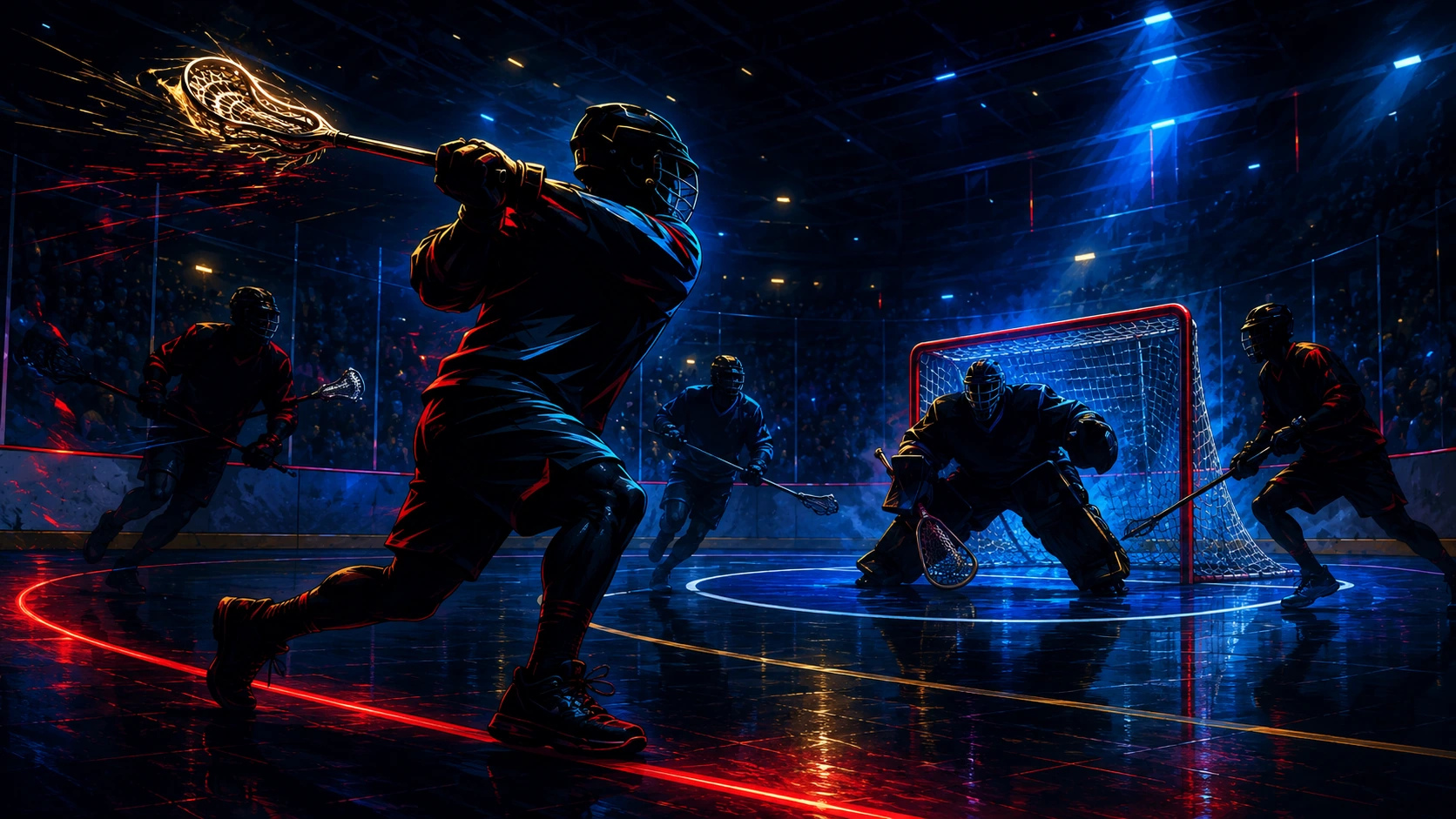
Unihockey, widely known as floorball, is a fast indoor stick sport that emphasizes passing lanes, off ball movement, and quick transitions on a smooth hard court.
Overview
A fast indoor stick sport played five a side plus a goalkeeper on a smooth hard court. It rewards passing lanes, off ball movement, and quick transitions, and its light composite stick and plastic ball make it inexpensive to start. Known as floorball in much of the world, it is a school and club staple across Northern Europe.
This profile is a starting point and will grow with origin notes, detailed rules, the skills it emphasizes, and the roles players take on. For now it summarizes the essentials and points to related activities so you can place Unihockey (Floorball) within the wider landscape of niche and emerging sports.
How it plays
Unihockey (Floorball) is typically a low contact activity in a indoor setting, with a usual side of 5 a side plus goalkeeper. Objectives, restarts, and scoring follow the conventions documented by local organizers, and small sided or modified versions are common where space or numbers are limited.
The pace and texture of play are shaped by the surface and the equipment as much as by the rules. Reading those conditions, the friction underfoot, the flight of the object, the space available, is part of what makes the activity rewarding to learn and satisfying to master over time.
Origins and where it is played
Unihockey (Floorball) traces its roots to Northern Europe. It is most commonly played during indoor, year round, following the rhythm of climate and facility access. Like many activities in this category, it carries playing customs and vocabulary that travel with the people who play it.
Getting started
An easy entry is to read an overview, watch a short technique clip, and try a low intensity drill in a safe space before layering in tactics. Equipment is generally light composite stick, plastic ball, court shoes, and many communities share or loan starter gear for first sessions. This material is informational only and is not instruction or an offer of access.